


As the 2024 US elections approach, the role of young voters could be decisive in an extremely tight race. In battleground states like Pennsylvania, Georgia, and Nevada, youth turnout might determine whether Kamala Harris or Donald Trump takes the White House in January 2025. Polls indicate these races are neck-and-neck, and with over 20 million eligible young voters, their participation is essential.
Historically, young voters have leaned toward the Democratic party. While in 2000, youth voting patterns closely resembled those of the general population, this began to change with Barack Obama’s overwhelming success in 2008. Since then, Democratic candidates have garnered significant support from voters aged 18-30, with Joe Biden securing 61% of the youth vote in 2020. However, while the Democratic party enjoys majority support from this group, turnout has always been inconsistent. This year, enthusiasm for Harris, seen as more of a centrist candidate, may not match the fervor seen in previous elections.
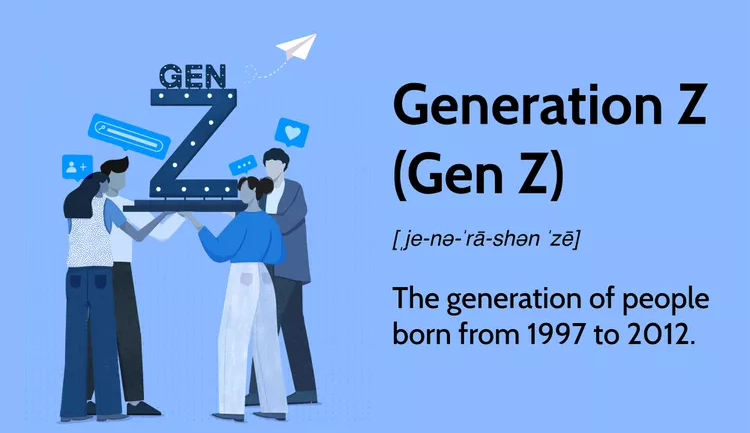
One issue troubling young voters is economic hardship. Today’s Gen Z is faced with rising costs in nearly every aspect of life—housing, health insurance, and education—leaving many to feel worse off than previous generations. This dissatisfaction is further amplified by frustrations over the lack of aggressive action on key issues like climate change, gun control, and economic inequality. As a result, young voters are increasingly disillusioned with the traditional two-party system, despite favoring the Democrats.
Grassroots initiatives, such as PA Youth Vote, are working hard to combat this sense of disillusionment. These movements are focusing on connecting young people directly to the political system by making them aware of how voting impacts their everyday lives. Meeting them in their schools, neighborhoods, and online, these initiatives are striving to increase youth voter registration and engagement.
As a blogger passionate about American life, but Italian by birth, I’ve asked many of my American friends, in both colleges and high schools, how they feel about the 2024 elections. What I’ve learned is that young people are fully aware of the significance of their vote. Many expressed frustration with the political system, but also a belief that their votes can drive change, particularly on issues that directly affect their futures.
Interestingly, while Harris holds an advantage among young voters, her lead is smaller than previous Democratic candidates. Polls suggest that while young people prefer Harris to Trump, the margin is slimmer compared to past elections, likely due to growing discontent with both major parties. Bernie Sanders, in contrast, resonated with young voters in 2016, capturing their support with his more radical policies.
Youth voter participation hit a record high in 2020, with 50% of eligible young Americans turning out, making it the highest youth turnout in recent memory. However, the challenge this time around is whether that momentum can be maintained in an election where neither candidate is seen as particularly inspirational by young people.
Youth activism on social justice and environmental issues has become a hallmark of this generation, fueling political engagement. But for Democrats to secure victory, they will need to speak more directly to the concerns of young voters, especially in key areas like education, crime, policing, and economic opportunity. If young women, Latino, and Black voters—who form the core of the Democratic youth base—are to turn out, these issues need to be front and center.
Ultimately, the youth vote could be the deciding factor in this election. Their participation could tip the scales in key states, and shape not only the 2024 race but the future of American politics as a whole. But for this to happen, young voters need to be engaged not just during the election cycle, but continuously on the issues that matter most to them.
As we move closer to, the youth vote has the power to shape the future of the US. The stakes are high, and young voters are becoming more crucial than ever in deciding the outcome. If you want to stay informed on the latest updates, insights, and discussions on US politics—especially from a perspective that connects American and European viewpoints—keep following my blog. Together, we can explore the critical role young voters play in shaping a better future for all of us.
